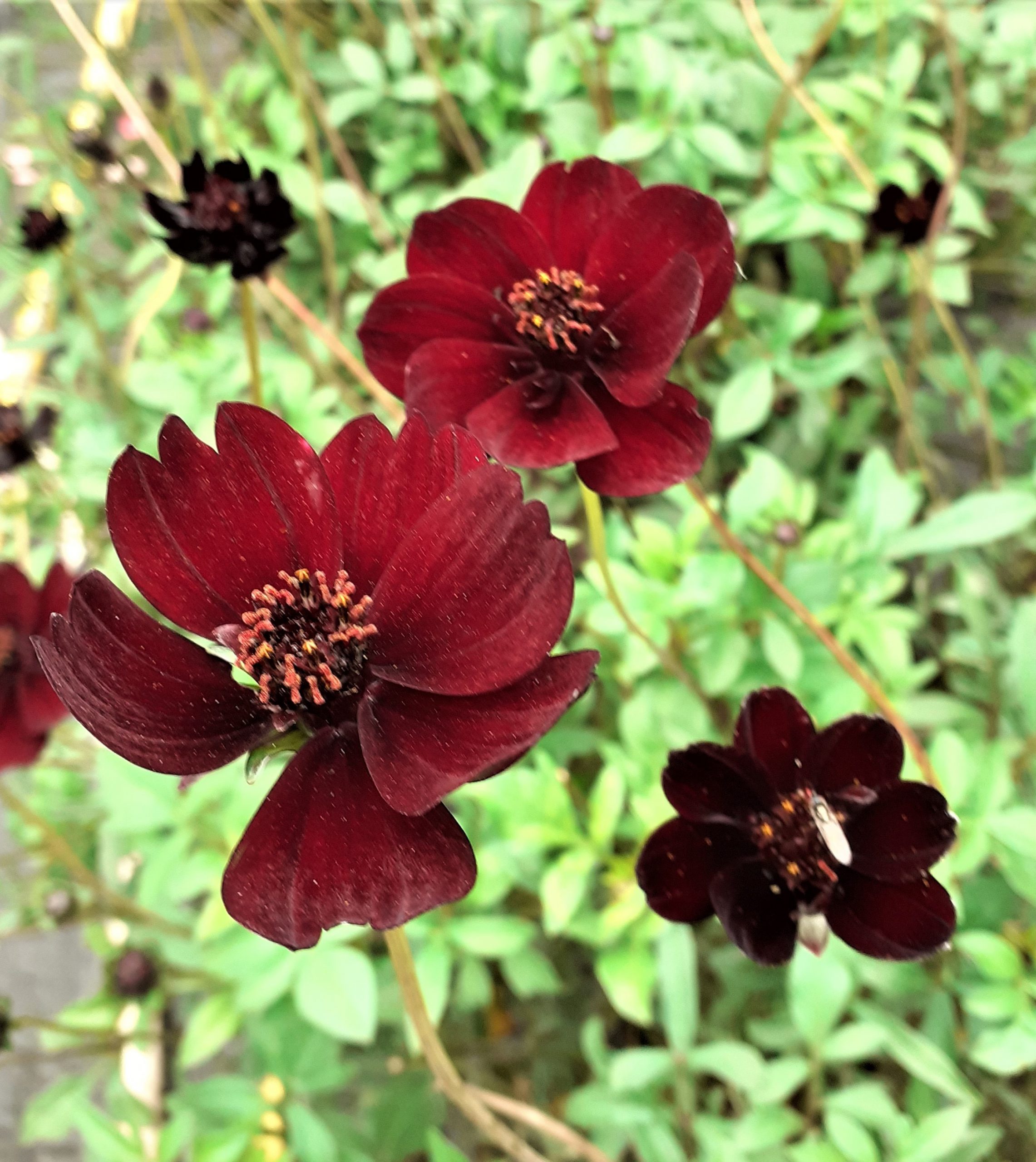
planting calendar~
june 9-11th cut hay or do plowing on these barren days. good harvest days.
june 12-13 good days for transplanting. good days for planting root crops.
june 14-15 seeds planted now tend to rot in ground.
june 16-17 excellent for sowing seedbeds and flower gardens. plant tomatoes, beans, peppers, corn, cotton, and other aboveground crops on these most fruitful days.
june 18-21 poor period for planting. Kill plant pests, clear fencerows, or clear land.
june 22-23 sow grains and forage crops. plant flowers. favorable for planting peas, beans, tomatoes, and other fall crops bearing abovegrounds.
click here for source
next full moon~
june 29th, 2026
june’s full moon—typically the last full moon of spring or the first of summer—has traditionally been called the STRAWBERRY MOON. while strawberries certainly are a reddish-pink color and are roundish in shape, the origin of the name “strawberry moon” has nothing to do with the moon’s hue or appearance, despite the evocative imagery (shown in the artist rendering below). a moon usually appears reddish when it’s close to the horizon because the light rays must pass through the densest layers of the atmosphere.
it will reach peak illumination on June 29 at 7:56 P.M. eastern time.click here for source

 (6/2/26) updated front and earth & sky pages
  85% of all plant life is found in the ocean.